 English

Views: 0 Author: Site Editor Publish Time: 2026-11-09 Origin: Site
Keeping your swimming pool crystal clear isn't just about chemicals and skimming leaves off the surface. The real work happens below deck, where your pump pulls water through a filter, strips out debris, and sends it back into the pool ready for another lap. When that equipment is neglected, water quality suffers fast, no matter how diligently you test pH levels or add chlorine.
Pool owners often focus on visible maintenance tasks like vacuuming or brushing walls, while the mechanical heart of their filtration system quietly accumulates grime, mineral deposits, and wear. A clean pool pump runs more efficiently, uses less electricity, and lasts significantly longer than one that's been left to collect buildup. This guide breaks down why pump hygiene matters, what routine care looks like, and how different pump types—including those used for spa jets and bubbling features—fit into a well-maintained pool system.
Every pool pump works alongside a filter to remove particles suspended in the water. But the pump itself can become a bottleneck if it's clogged with hair, leaves, or calcium scale. A dirty impeller spins less efficiently, which reduces flow rate and means water spends less time passing through the filtration media. Less contact time with the filter translates directly into murkier water, even if you're dosing chemicals correctly.
Scale buildup is a particularly common culprit in regions with hard water. Mineral deposits coat internal components, narrowing passageways and forcing the motor to work harder to maintain normal output. Over months, this added strain shortens motor lifespan and increases energy bills. Routine inspection of the strainer basket, seals, and housing prevents these issues from compounding.
Most residential pools benefit from a strainer basket check every one to two weeks during swimming season, with a more thorough inspection of seals and the impeller chamber every three months. Pools surrounded by trees or exposed to heavy wind need more frequent attention, since organic debris accelerates clogging.
Commercial pools and spas face tougher demands. Higher bather loads mean more suspended solids, and multi-pump systems often include specialized equipment like blower pumps for aeration. These components require their own cleaning schedule distinct from circulation pumps, since air channels can trap moisture and develop mineral crust over time.
Not every pump in a pool system moves water. Blower pumps push air through jets to create the bubbling sensation associated with spas and hot tubs. Unlike circulation pumps, these units rely on dry air intake and discharge valves rather than wet impellers, which means their maintenance needs differ considerably.
Because blower pumps handle air rather than water, debris isn't usually the main concern. Instead, moisture intrusion, worn gaskets, and dust accumulation inside the air intake are the typical culprits behind reduced performance. A blower that sounds louder than usual or produces weaker bubbles often needs its intake filter cleared or its seals inspected.
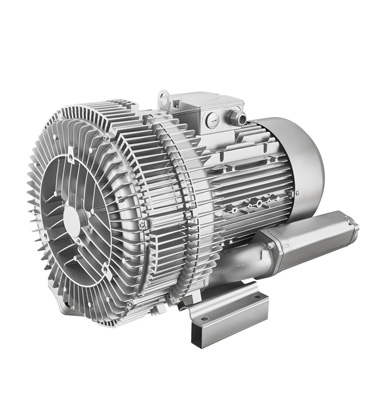
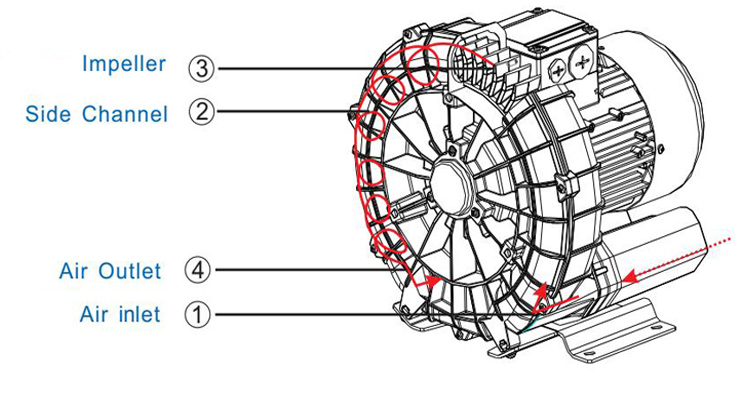
An air blower pump generates the massaging jets that make spa sessions feel therapeutic. Keeping one running smoothly starts with checking the air intake for dust or lint buildup, since blocked intakes force the motor to work harder and generate excess heat.
Owners should also watch for water backflow into the blower housing, which can happen if check valves fail. Water entering the air chamber damages internal components quickly and is one of the most common reasons blower motors burn out prematurely. Routine visual inspection of hose connections and valve function catches this problem before it becomes expensive.
Pump Type | Primary Function | Common Maintenance Focus | Typical Cleaning Frequency |
|---|---|---|---|
Circulation pump | Moves pool water through filter | Strainer basket, impeller, seals | Every 1-2 weeks |
Variable speed pump | Energy-efficient water circulation | Motor vents, seals, electrical connections | Monthly |
Air-driven spa pump | Creates bubbling/massage jets | Air intake filter, check valves, gaskets | Monthly or seasonally |
Booster pump | Powers pressure-side cleaners | Strainer, hose connections | Every 2-4 weeks |
This comparison highlights why a one-size-fits-all maintenance routine rarely works. Circulation pumps demand frequent attention to prevent clogging, while air-driven units are more concerned with moisture control and valve integrity.
Certain warning signs shouldn't wait for a scheduled cleaning. Unusual grinding or humming noises, reduced water flow at return jets, visible leaks around the pump housing, or a noticeable spike in your electricity bill all point to a pump working harder than it should. Catching these symptoms early often means the difference between a quick cleaning and a costly motor replacement.
Temperature is another useful indicator. A pump housing that feels excessively hot to the touch after running for a short period may be struggling against internal resistance caused by scale or debris. Shutting it down and inspecting the impeller chamber before restarting prevents further damage.
The design of a pump significantly affects how easy it is to keep clean. Units with accessible strainer baskets, clear housing inspection points, and corrosion-resistant materials simplify routine upkeep considerably. Jiangmen Topguy Electromechanical Equipment Co., Ltd. has spent over three decades manufacturing pool and spa equipment, including water pumps, sand filters, and air-driven systems designed with serviceability in mind. Their product line reflects an understanding that pool owners and facility managers need equipment that performs reliably while remaining straightforward to maintain season after season.
Selecting pumps from manufacturers who prioritize build quality and accessible components reduces the long-term burden of upkeep. Features like IPX5 waterproof ratings, built-in thermal protection, and corrosion-resistant housings all contribute to equipment that stays cleaner longer and requires less intervention.
A well-maintained pump is the foundation of clear, inviting pool water. Whether you're managing a backyard pool or overseeing a commercial facility with multiple pumps and air-driven spa features, consistent cleaning and inspection routines pay off in lower energy costs, fewer breakdowns, and water that stays genuinely clean rather than just chemically balanced. Start with a simple schedule, pay attention to the warning signs your equipment gives you, and invest in pumps designed for easier long-term care.
How do I know if my pool pump needs cleaning or replacing?
If cleaning the strainer basket and impeller chamber restores normal flow and reduces noise, the pump likely just needed maintenance. Persistent leaks, motor overheating despite cleaning, or a cracked housing usually indicate it's time for a replacement.
Can I clean an air blower pump myself?
Basic maintenance like clearing the air intake and checking hose connections is manageable for most owners. However, internal motor issues or check valve replacement are best handled by someone familiar with spa equipment to avoid water damage to electrical components.
Does hard water affect pump cleaning frequency?
Yes. Hard water accelerates mineral scale buildup inside pump housings and impeller chambers, which means pools in hard water regions typically need more frequent inspection and cleaning than those with softer water supplies.
What's the difference between a circulation pump and a blower pump?
A circulation pump moves water through the filtration system to keep it clean, while a blower pump pushes air through jets to create bubbles for spa and massage features. They serve different purposes and require different maintenance routines.
