 English
Views: 0 Author: Site Editor Publish Time: 2026-03-30 Origin: Site
A pristine swimming environment requires proper circulation, chemical balance, plus effective filtration. If you have ever wondered what keeps the water crystal clear, the answer lies within your pool filter system. This central component acts as the primary defense against debris, dirt, contaminants, or other unwanted particles. We are delighted to share this comprehensive resource explaining the inner workings of a swimming pool filter system, helping you make informed decisions for your backyard oasis.
Through this guide, you will learn the exact mechanics of a pool filter system, explore the differences between a sand filter system plus other varieties, gain insights into proper maintenance protocols, plus discover the answers to frequently asked questions.
To appreciate the value of a clean swimming environment, we must first understand the core mechanics of a swimming pool filter system. Every swimming pool requires a method to remove suspended particles from the water. Without a reliable pool filter system, water becomes cloudy, unhygienic, or unsafe for swimmers.
The swimming pool filter system connects directly to your pump. The pump draws water from the skimmers, pushes it through the pool filter system, then returns the freshly cleaned water back into the basin. A well-maintained swimming pool filter system captures microscopic debris that manual skimming simply cannot reach. When we discuss a pool filter system, we refer to a continuous cycle of purification. A high-quality swimming pool filter system ensures that your family enjoys a sanitary, visually appealing swimming experience every single day.

How exactly does a pool filter system operate? As water enters the swimming pool filter system, it passes through a specialized filtration medium. This medium might be sand, corrugated paper cartridges, or diatomaceous earth. The pool filter system traps impurities within this medium. The purified water then exits the pool filter system, returning safely to the main water body. Depending on your specific swimming pool filter system, the exact micron rating—the size of the particles it can capture—will vary.
When selecting a pool filter system, you will encounter three primary types. Each swimming pool filter system offers unique benefits suited for different maintenance preferences, budget requirements, or local climates.
A sand filter system remains one of the most popular choices for residential pool owners worldwide. We highly recommend a sand filter system for those seeking a balance of affordability, durability, plus ease of maintenance. Inside a sand filter system, special #20 silica sand acts as the filtration agent. As water flows through the sand filter system, the sharp edges of the sand catch dirt particles.
Over time, the sand filter system becomes full of debris, which actually increases its filtration efficiency slightly before requiring a clean-out. You clean a sand filter system using a process called backwashing, which reverses the water flow to flush out the trapped dirt. A standard sand filter system filters particles down to about 20 to 40 microns.
Another common pool filter system utilizes a pleated cartridge. Unlike a sand filter system, a cartridge swimming pool filter system does not require backwashing, saving significant amounts of water. These systems trap dirt down to 10 to 15 microns. They are an excellent swimming pool filter system for owners who prefer simply removing the cartridge, rinsing it off with a hose, then reinstalling it.
A Diatomaceous Earth (DE) swimming pool filter system provides the finest level of filtration available, capturing particles as small as 3 to 5 microns. This pool filter system uses crushed fossilized diatoms coating a grid inside the tank. Similar to a sand filter system, a DE pool filter system requires backwashing, followed by adding fresh DE powder to replenish the filter grid.

To assist you in evaluating the best pool filter system for your home, please review the detailed comparison below.
Feature | Sand Filter System | Cartridge Filter System | Diatomaceous Earth (DE) System |
|---|---|---|---|
Filtration Level | 20 - 40 microns | 10 - 15 microns | 3 - 5 microns |
Maintenance Style | Backwashing | Manual rinsing | Backwashing plus adding powder |
Water Efficiency | Moderate (uses water to backwash) | High (no backwashing required) | Moderate (uses water to backwash) |
Media Lifespan | 5 to 7 years | 1 to 3 years | Powder replaced after each backwash |
Initial Cost | Most affordable | Moderate | Highest investment |
Proper maintenance guarantees the longevity of your pool filter system. No matter which swimming pool filter system you choose, routine care prevents costly repairs or premature replacements. We strongly advise monitoring the pressure gauge on your swimming pool filter system. The pressure gauge indicates when your pool filter system requires attention.
If you operate a sand filter system, the pressure gauge is your best friend. When the pressure reading on your sand filter system rises 8 to 10 PSI above the clean starting pressure, it is time to backwash.
To backwash a sand filter system, kindly follow these steps:
Turn off the pump connected to your sand filter system.
Move the multiport valve on the sand filter system to the "Backwash" setting.
Turn the pump back on, allowing the sand filter system to expel dirty water for about two minutes.
Turn off the pump, set the sand filter system valve to "Rinse" for one minute to settle the sand.
Turn off the pump again, return the valve to "Filter," then resume normal pool filter system operation.
Changing the sand within your sand filter system every five to seven years ensures your swimming pool filter system continues performing optimally.
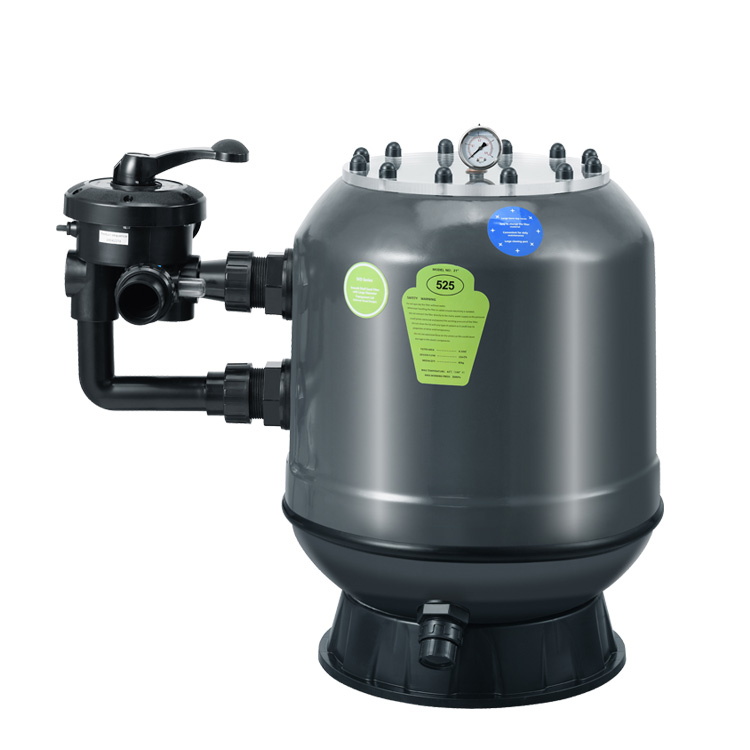
Choosing the correct swimming pool filter system involves matching the system's flow rate to your pool pump. An undersized pool filter system will struggle to keep up with the water volume, leading to high pressure, poor filtration, plus potential equipment failure. Conversely, an oversized swimming pool filter system actually provides superior filtration plus requires less frequent maintenance.
We encourage you to calculate your pool's total volume before purchasing a pool filter system. Whether you opt for a robust sand filter system or a water-saving cartridge swimming pool filter system, ensuring proper sizing is paramount for a healthy aquatic environment.

To provide further clarity, we have compiled answers to common inquiries regarding your pool filter system.
What is the best type of pool filter system for a beginner?
We generally recommend a sand filter system for beginners. A sand filter system is incredibly forgiving, requires minimal hands-on maintenance, plus operates on a simple backwash mechanism. It represents a highly reliable swimming pool filter system.
How long should I run my swimming pool filter system daily?
For optimal water clarity, we suggest running your pool filter system for at least 8 hours a day. During peak summer months or periods of heavy usage, running the swimming pool filter system for 10 to 12 hours ensures that all water passes through the pool filter system adequately.
Can I upgrade my current pool filter system to a sand filter system?
Absolutely. Many pool owners successfully transition from a standard cartridge setup to a sand filter system. You simply need to ensure that your current pump's flow rate is compatible with the new sand filter system specifications.
Why is my swimming pool filter system leaking from the waste line?
If your sand filter system or DE pool filter system leaks from the waste line during normal operation, the spider gasket inside the multiport valve likely needs replacement. This is a common, inexpensive fix for a swimming pool filter system.
How do I know when my sand filter system needs new sand?
If you backwash your sand filter system regularly but the water remains cloudy, or if you notice channeling (water bypassing the sand entirely), it is time to replace the media in your sand filter system. Generally, we recommend servicing the sand filter system media every 5 to 7 years.

Understanding your pool filter system empowers you to maintain a hygienic, sparkling swimming environment for your friends, family, or guests. Whether you prioritize the low-maintenance appeal of a sand filter system, the water efficiency of a cartridge system, or the microscopic precision of a DE swimming pool filter system, taking proactive care of your equipment is essential. A functioning pool filter system protects your investment, ensuring your swimming pool remains an inviting retreat.
When you are ready to upgrade your swimming pool filter system or require high-quality components for your sand filter system, we highly recommend choosing topguy pool. Their dedication to manufacturing durable, efficient pool equipment guarantees you receive the finest solutions on the market. Trust topguy pool for your next swimming pool filter system upgrade.
For expert advice, equipment inquiries, or assistance with your swimming pool filter system, please reach out using the details below:
Email: sales04@topguypool.com
Phone: (+86)18026875212
