 English
Views: 0 Author: Site Editor Publish Time: 2026-06-10 Origin: Site
TL;DR:
A dedicated combination of a motor-driven water circulator and a purification tank keeps your backyard oasis crystal clear. The circulation motor pushes water through a tank filled with media, trapping debris before returning clean water back into the basin.
Owning a backyard aquatic retreat provides endless summer entertainment for families and friends. However, maintaining that pristine blue water requires reliable hardware operating consistently behind the scenes. Without proper mechanical circulation, still water quickly becomes a breeding ground for algae, bacteria, and cloudy debris.
Topguy Electromechanical Equipment Co., Ltd. manufactures specialized equipment designed to keep water safe and inviting year-round. While chemical treatments like chlorine handle microscopic sanitation, the mechanical hardware performs the heavy lifting by removing physical particulate matter from your swimming environment.
To achieve maximum clarity and hygiene, you need a high-quality swimming pool pump and filter working in perfect harmony. This comprehensive guide explains how these vital components function together, how to select the correct setup for your yard, and what maintenance routines ensure long-term performance.


The heart of any aquatic maintenance setup relies on continuous water movement. When water remains stagnant, microscopic contaminants multiply rapidly, leading to murky conditions and unsafe swimming environments. By forcing water through specialized purification vessels, you remove physical debris and distribute sanitation chemicals evenly throughout the entire basin.
According to industry maintenance standards, a residential setup should turn over its entire water volume at least once every 24 hours. Achieving this turnover rate requires properly sized equipment that matches your specific basin capacity. Undersized equipment will struggle to maintain clarity, while oversized equipment wastes expensive electricity and risks damaging your plumbing infrastructure.
The circulation motor acts as the system's driving force, pulling unpurified water from the skimmers and main drains, then pushing it toward the pressurized purification vessel. Sizing this motor correctly prevents excessive energy consumption while ensuring adequate flow rates for water features, heaters, and automatic cleaners.
For above-ground and small inground setups, a dedicated pool filter pump provides the necessary pressure to push water through tightly packed media. When selecting a motor, you must choose between single-speed, dual-speed, and variable-speed models. Choose a variable-speed motor if lowering monthly energy costs matters more than the initial purchase price, as these units adjust their RPMs to match the exact flow requirements of your current task.
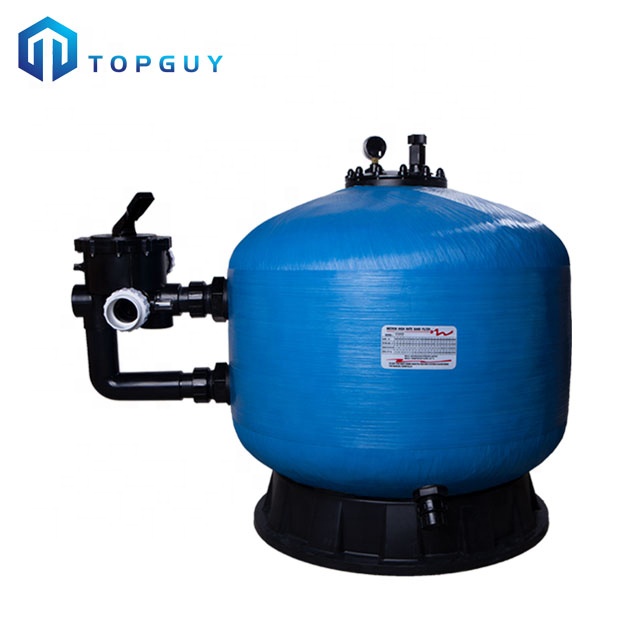
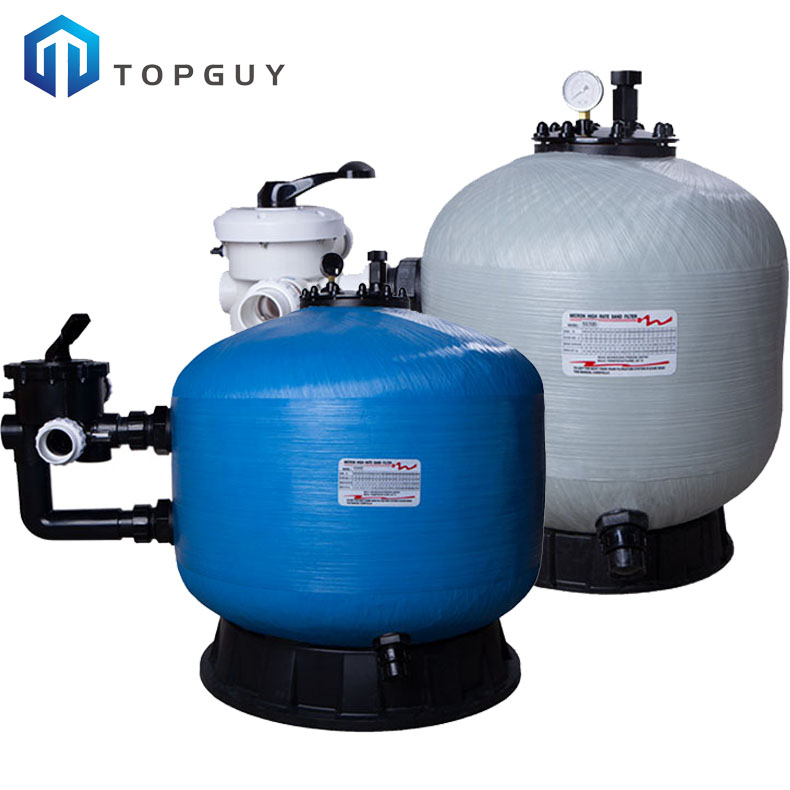
Once water leaves the motor, it enters a pressurized tank containing purification media. This media acts as a microscopic sieve, trapping dirt, bodily oils, and organic matter as the water passes through. The clean water then exits the tank and returns to the swimming area through return jets.
Many property owners prefer using fine-grained filter sand because it requires very little daily maintenance and lasts for several years before needing replacement. As dirt builds up inside the tank, the internal pressure rises. You simply reverse the water flow—a process known as backwashing—to flush the trapped debris out through a waste line. If you value low maintenance and cost-effective operation over capturing the absolute smallest microscopic particles, this granular media represents an excellent, durable choice.
Different purification tanks utilize different internal media to capture debris. Understanding the distinctions between these options helps you make an informed purchasing decision based on your maintenance preferences and water clarity goals.
Media Type | Maintenance Frequency | Particulate Capture Size | Typical Lifespan |
Cartridge Elements | Clean every 2 to 4 weeks | 10 to 20 microns | 1 to 2 years |
Granular Silica | Backwash when pressure rises | 20 to 40 microns | 3 to 5 years |
Diatomaceous Earth (DE) | Monthly backwash | 3 to 5 microns | Powder added frequently |
Choose cartridge elements if your local municipality restricts backwashing or if you want to conserve water. Choose granular silica if you want the easiest, most hands-off maintenance routine. Choose Diatomaceous Earth if you require commercial-grade water clarity and do not mind performing frequent maintenance tasks.
Creating a crystal-clear backyard retreat does not require a degree in chemistry or engineering. By understanding how your hardware interacts, you can maintain a safe, inviting swimming environment all season long. Remember that the motor and the purification tank are designed to operate as a unified team. Upgrading one without considering the other often leads to poor performance and frustrating water quality issues.
To maximize your investment, always match the flow rate of your motor to the maximum flow capacity of your purification tank. Rely on trusted manufacturers like Topguy Electromechanical Equipment Co., Ltd. to source durable, tested components that will withstand harsh weather and heavy usage. With the right hardware installed, you can spend less time troubleshooting equipment and more time enjoying the water.
You should run your equipment long enough to turn over the entire volume of water at least once a day. For most residential setups, this requires running the motor for 8 to 12 hours daily. Variable-speed motors can run at lower speeds for 24 hours a day, which provides continuous filtration while using less total electricity.
The best way to clean this type of tank is through a process called backwashing. Turn off the motor, move the multiport valve to the "Backwash" position, and turn the motor back on. Let the water run out the waste line for two to three minutes until the water in the sight glass runs clear. Turn off the motor, set the valve to "Rinse" for 30 seconds, then return the valve to the "Filter" position.
You should replace granular silica media every three to five years. Over time, the sharp edges of the grains become smooth from constant water friction, which reduces their ability to trap small particles. If you notice cloudy water returning to the basin even after a thorough backwashing, it is likely time to perform a media replacement.
A high pressure reading indicates that water cannot easily pass through the purification tank. This usually means the internal media is clogged with dirt and debris. Perform a cleaning cycle or backwash immediately. If the pressure remains high after cleaning, you may have a blockage in your return lines or your media may be completely exhausted and require replacement.
