 English
Views: 0 Author: Site Editor Publish Time: 2026-06-23 Origin: Site
TL;DR:
Pool LED lighting upgrades your swimming area with energy-efficient, long-lasting illumination. Modern fixtures use up to 80% less power than older bulbs, last for years, and offer single-color or color-changing options that you can control with a remote. The right setup boosts safety, ambiance, and property value.
Few upgrades change a backyard pool as dramatically as the right lighting. A pool that looks plain during the day becomes a glowing centerpiece after sunset. Beyond looks, good underwater illumination makes evening swims safer and lets you enjoy your pool long after the sun goes down.
This guide walks you through how modern pool pool led light systems work, what features matter most, and how to choose fixtures that fit your space and budget. You'll also find a quick comparison of common lighting types and answers to the questions pool owners ask most.
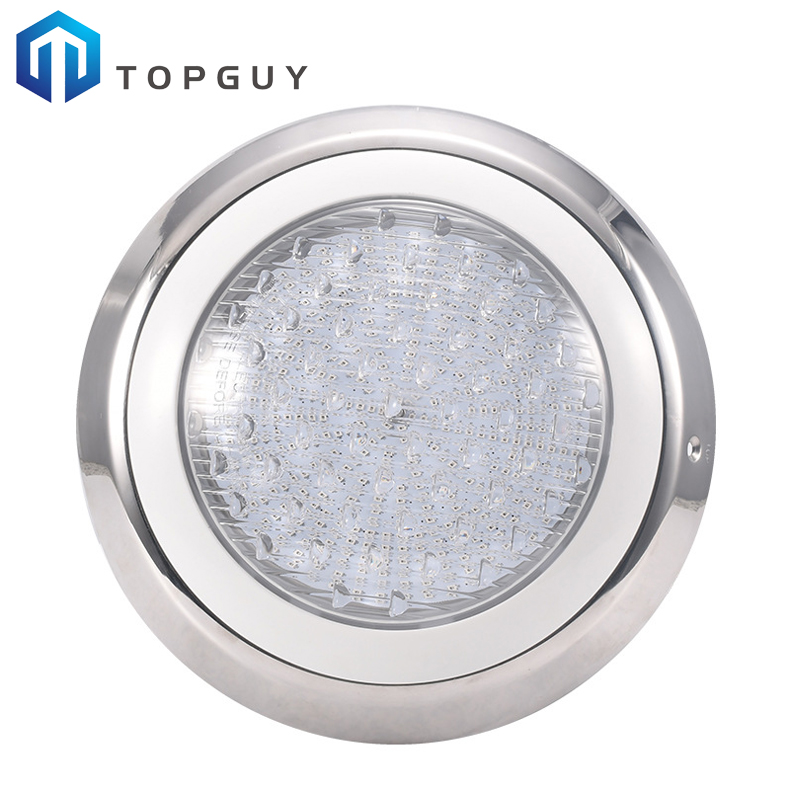

Older pools often rely on incandescent or halogen bulbs. These burn out quickly, draw a lot of power, and can be expensive to replace. LED technology solves all three problems at once.
Light-emitting diodes convert most of their energy into light rather than heat. That means lower running costs and far fewer replacements over the life of your pool. According to the U.S. Department of Energy, LED products use at least 75% less energy and last up to 25 times longer than incandescent lighting. For a fixture sitting underwater—where access is difficult—that longer lifespan really matters.
There's also the safety angle. A well-lit pool reduces the risk of accidents during evening use. Swimmers can see edges, steps, and depth changes clearly. Anyone supervising children or guests gets a much better view of the water.
Not all underwater lights serve the same purpose. Some focus on pure brightness, while others prioritize color and mood. Picking the right type depends on how you plan to use your pool.
Here's a side-by-side look at the most common options:
Lighting Type | Energy Use | Lifespan | Best For | Color Options |
|---|---|---|---|---|
Incandescent | High | Short (1–2 years) | Budget installs | White only |
Halogen | High | Short to medium | Bright task lighting | White only |
Standard LED | Low | Long (8+ years) | Everyday use | White or fixed color |
RGB LED | Low | Long (8+ years) | Mood and entertaining | Full color spectrum |
Remote-controlled LED | Low | Long (8+ years) | Convenience and scenes | Full color, programmable |
For most homeowners, an energy-efficient set of led pool lights hits the sweet spot between performance and cost. They deliver bright, reliable light without the high power bills that come with older bulbs.
Color-changing fixtures use RGB diodes—red, green, and blue—that mix to produce a wide range of shades. By adjusting the intensity of each diode, the fixture can create anything from a calm blue glow to a vivid sunset palette.
Most modern color-changing systems come with a remote control. You can switch shades, set static colors, or run automatic sequences that cycle through the spectrum. Some let you sync the lighting to music for parties.
If you want a bold, warm look for evening gatherings, red led lights and other deep tones create a striking effect against the water. Cooler shades like blue and teal, on the other hand, give a relaxed, spa-like feel. The flexibility to switch between moods is what makes color-changing fixtures so popular with families who use their pools for both relaxing and entertaining.
A few key specifications separate a good pool light from a great one. Keep these in mind before you buy:
Brightness (lumens): Match the output to your pool size. Larger pools need more powerful fixtures or multiple units.
Color temperature: For white lighting, warmer tones feel cozy while cooler tones look crisp and modern.
Waterproof rating: Look for a high IP rating to ensure the fixture is fully sealed against water.
Voltage: Low-voltage systems (often 12V) are generally safer and easier to install in residential pools.
Remote or app control: Programmable scenes and one-touch color changes add real convenience.
Build quality: Durable housings made for underwater use resist corrosion and last longer.
Choose a remote-controlled RGB fixture if you value flexibility and entertaining. Stick with a fixed-color or white LED if you mainly want reliable, low-maintenance lighting for safety and everyday swims.


Installation difficulty depends on the fixture type and your pool's existing wiring. Some modern lights are designed as drop-in replacements that fit standard niches, making upgrades straightforward. Others may require running new low-voltage cable.
If your pool already has a light niche and transformer, swapping an old bulb for an LED unit is often a manageable weekend project. For new wiring, full rewires, or anything involving your home's main electrical supply, hiring a licensed electrician is the safer choice. Water and electricity demand respect, so never cut corners on sealing and grounding.
Yes—for most pool owners, the long-term savings outweigh the higher upfront price. LED fixtures cost more than basic bulbs at purchase, but they pay that back through lower energy bills and fewer replacements.
Consider the math: a fixture that lasts eight years and uses a fraction of the power of a halogen bulb saves you both money and the hassle of repeated maintenance. Add in the boost to ambiance and property appeal, and the value becomes clear. A glowing pool is a strong selling point if you ever list your home.
The right lighting turns an ordinary pool into the highlight of your backyard. Energy-efficient LED fixtures keep running costs low, last for years underwater, and give you the freedom to set the perfect mood—whether that's a calm evening swim or a lively weekend party.
Start by measuring your pool, deciding whether you want white or full-color options (for instance, red LED lights can create a striking dramatic effect for themed parties or festive nights), and checking the waterproof rating on any fixture you consider. From there, choose a trusted manufacturer with proven products and clear specifications. To explore durable, professionally made options, browse a dedicated selection of red LED lights and compare features against your needs.
How long do LED pool lights last?
Quality LED pool fixtures typically last 8 years or more, far outlasting incandescent and halogen bulbs. Because they sit underwater and are hard to reach, that long lifespan saves significant maintenance effort over time.
Can I replace my old pool bulb with an LED unit myself?
If your pool has an existing niche and low-voltage transformer, many LED replacements are designed as simple drop-ins you can handle yourself. For new wiring or anything connected to your home's main power, hire a licensed electrician for safety.
Do color-changing pool lights need a special remote?
Most RGB color-changing fixtures include a remote or app control to switch shades, set static colors, and run automatic sequences. Always check what control method is included before buying.
How many lights does my pool need?
It depends on pool size and shape. Small pools may need only one fixture, while larger or irregular pools benefit from several units placed for even coverage. Match total brightness in lumens to your pool's dimensions.
Are LED pool lights safe?
Yes, when properly installed. Low-voltage systems reduce electrical risk, and fixtures with a high waterproof rating are sealed for underwater use. Correct grounding and sealing are essential, so use a professional for any wiring work.
