 English
Views: 0 Author: Site Editor Publish Time: 2026-07-08 Origin: Site
Quick answer:
A portable water pump plays an essential role in any pool maintenance routine—whether you're draining standing water, transferring fresh supply, or simply keeping the circulation moving. For most residential pools, a lower horsepower unit handles basic circulation tasks just fine. Larger pools, however, demand more power to push water efficiently through the filtration system and maintain consistent clarity across every corner.
Keeping a pool clean and safe requires more than just chemicals and a skimmer—the right mechanical equipment is the real backbone of water quality. All too often, pool owners battle cloudy water or persistent algae simply because their circulation system doesn't have enough capacity to do the job properly. Getting the equipment size right ensures your filter, heater, and chemical dispenser all work as they should. This guide walks you through the key decision criteria for sizing your circulation equipment—helping you cut energy costs while keeping your backyard retreat crystal clear.
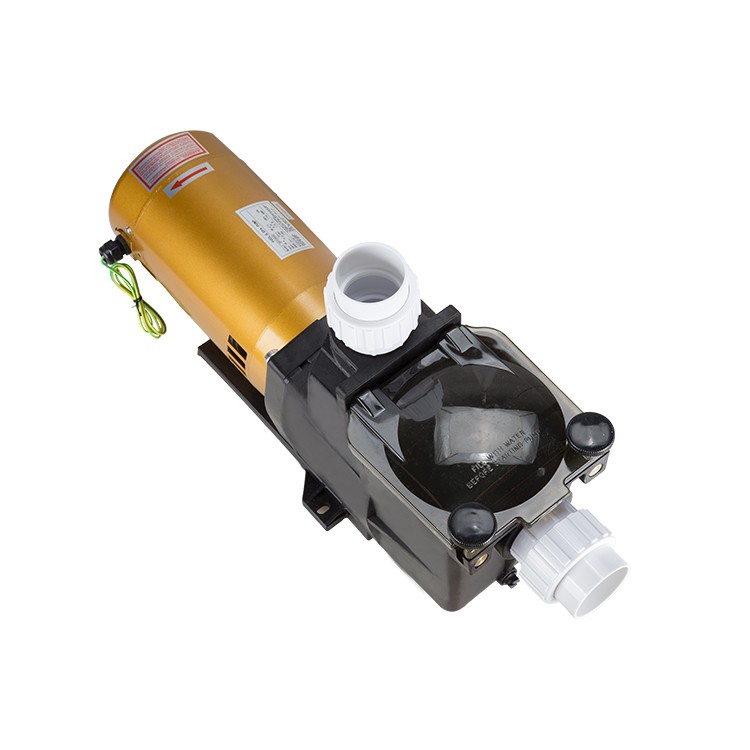

So how do you figure out which motor size is right for your setup? It starts with one simple number: your pool's total volume. The rule of thumb is straightforward—your circulation system should be capable of turning over every gallon of water in your pool at least once every eight hours. Fall short of that, and your filter won't catch debris effectively, leaving you with cloudy water and frustrated swimmers. Overshoot it, and you're wasting electricity while putting unnecessary stress on your plumbing.
The U.S. Department of Energy estimates that upgrading to a properly sized, efficient circulation system can cut energy consumption by as much as 70%. That's not just good for the environment—it's good for your monthly utility bill. To get it right, start by calculating your pool's total gallons, then match that number to the flow rate capacity of the motor you're considering. If you've got a small above-ground pool, a lower-capacity motor will serve you well. If you're managing a large inground pool with waterfalls, spa jets, or other water features, you'll need the extra power that a high-capacity motor provides.
Horsepower dictates how quickly and forcefully water pushes through your filtration system. For smaller residential setups, a 1 hp pool pump typically provides enough flow to keep the water clear without putting unnecessary strain on the filter. These smaller units are highly efficient for basic circulation tasks.
Conversely, heavier usage demands more power. A larger pool requires more force to push water through the filter media, heater, and chemical dispenser. If your system struggles to keep up with debris, upgrading the motor size can resolve the issue quickly.
Below is a comparison of different motor capacities and their ideal applications. This data helps clarify which setup best suits your specific needs.
Motor Capacity | Ideal Pool Volume (Gallons) | Best Application Use Case | Energy Efficiency Rating |
Small Unit | Up to 10,000 | Small above-ground pools, basic circulation | High |
Medium Unit | 10,000 to 20,000 | Standard residential pools, minor water features | Moderate |
Large Unit | 20,000 to 40,000 | Large inground pools, complex plumbing systems | Lower |
Extra Large Unit | 40,000+ | Commercial pools, multiple attached spas | Varies by design |


Energy efficiency is a major concern for facility managers and homeowners alike. Variable speed technology has revolutionized how circulation systems operate. Instead of running at maximum speed constantly, these units adjust their speed based on the specific task.
For instance, running a 2 hp pool pump at a lower speed for filtration saves significantly more electricity than running a smaller single-speed motor at full capacity. Choose a variable speed model if long-term energy savings matter more to you than the initial purchase price. This technology allows you to run the motor slowly for daily filtration and ramp up the speed only when operating pool vacuums or heating systems.
Upgrading your mechanical systems ensures your water remains safe and inviting all season long. Proper circulation prevents stagnant water, which is the primary cause of algae and bacterial growth. By matching your pool's volume to the correct motor capacity, you protect your investment and reduce maintenance headaches. Evaluate your current setup, calculate your water turnover rate, and consult with a professional supplier to find the exact equipment that meets your filtration needs.
Most high-quality circulation motors last between eight and twelve years with proper maintenance. Regularly cleaning the strainer basket and ensuring the motor does not run dry will significantly extend its operational life.
You should run your system long enough to turn over the entire volume of your pool at least once a day. For most residential setups, this requires running the motor for eight to ten hours during the summer months.
Yes. Variable speed models consume drastically less electricity compared to single-speed alternatives. Most users recover the higher initial cost through utility bill savings within the first two years of operation.
While basic replacements might seem straightforward, professional installation is highly recommended. Hardwiring electrical components near water carries significant risks, and improper installation can void the manufacturer's warranty.
