 English

Views: 0 Author: Site Editor Publish Time: 2026-10-07 Origin: Site
A swimming pool spends half its life in darkness, and for too many backyards, that means the party stops the moment the sun dips below the horizon. Underwater led lights change that equation entirely. Instead of a black void once evening arrives, your pool becomes the glowing focal point of the entire yard.
This isn't just about looks, either. Swap out aging incandescent or halogen bulbs for led pool lights, and you're tackling three problems simultaneously: high energy bills, frequent bulb replacements, and dim, unsafe swimming conditions after dark. Let's break down why this upgrade matters and how to choose the right pool led light setup for your space.
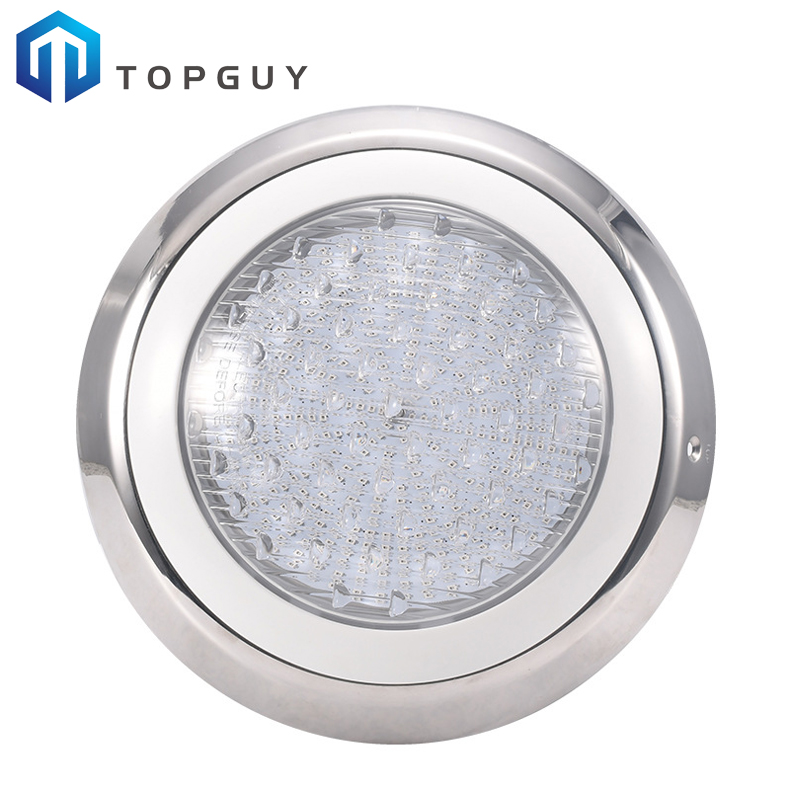
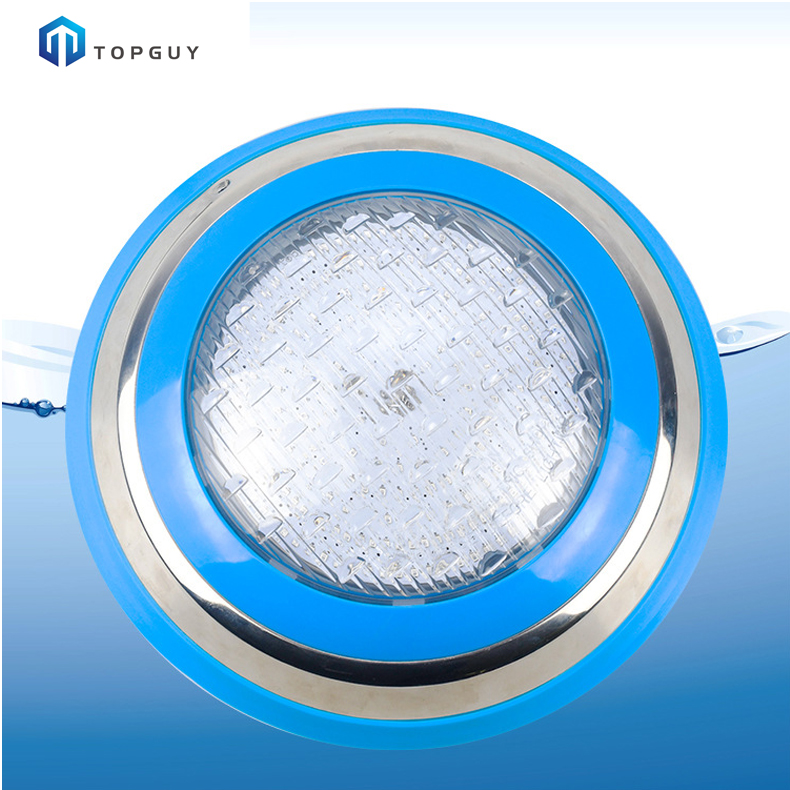
Most older pools still run on incandescent or halogen bulbs that were standard decades ago. They work, technically, but they come with baggage. These bulbs burn hot, consume a lot of electricity, and tend to fail faster than you'd like—especially frustrating given that accessing an underwater fixture isn't exactly a quick fix.
Light-emitting diodes solve this from the ground up. LEDs convert far more of their energy into usable light instead of wasted heat. The U.S. Department of Energy estimates that LED products use at least 75% less energy and last up to 25 times longer than incandescent lighting. For a fixture submerged in water, where every replacement means draining or diving, that durability isn't a nice-to-have. It's the whole point.
There's a safety dimension too. Dim or inconsistent lighting makes it harder to judge depth, spot the pool's edge, or keep an eye on swimmers after sunset. Bright, reliable underwater led lights remove that guesswork, which matters whether you're hosting a backyard gathering or just keeping tabs on kids during an evening swim.
Not every fixture serves the same purpose. Some are built purely for brightness and reliability; others are designed to set a mood. Here's how the main categories stack up:
Lighting Type | Energy Use | Lifespan | Best For | Color Options |
|---|---|---|---|---|
Incandescent | High | Short (1–2 years) | Budget installs | White only |
Halogen | High | Short to medium | Bright task lighting | White only |
Standard LED | Low | Long (8+ years) | Everyday use | White or fixed color |
RGB LED | Low | Long (8+ years) | Mood and entertaining | Full color spectrum |
Remote-controlled LED | Low | Long (8+ years) | Convenience and scenes | Full color, programmable |
For the average homeowner, a dependable set of led pool lights strikes the right balance. You get consistent brightness and long-term reliability without the recurring costs that come with older technology.
Color-changing fixtures rely on RGB diodes—red, green, and blue—that blend together to generate an enormous range of shades. By varying the intensity of each diode, a single fixture can shift from a tranquil blue to a bold sunset orange in seconds.
Most of today's color-changing systems pair with a remote control, letting you flip between static colors, run automatic color sequences, or even sync the display to music for a party. Want something dramatic for a themed evening? Red led lights against dark water create a striking, almost cinematic effect. Prefer something calmer? Cooler blues and teals deliver a spa-like atmosphere that's perfect for winding down.
This flexibility is exactly why color-changing pool led light fixtures have become so popular with families who use their pool for everything from quiet solo laps to full-blown weekend entertaining.
A handful of specs separate a mediocre fixture from a genuinely great one:
Brightness (lumens): Bigger pools need more output—either a stronger single fixture or multiple units spaced for even coverage.
Color temperature: Warmer white tones feel cozy and inviting; cooler tones look sharp and modern.
Waterproof rating: A high IP rating confirms the fixture is properly sealed for constant submersion.
Voltage: Low-voltage systems, typically 12V, are safer and generally easier to install in residential settings.
Remote or app control: Programmable scenes and instant color switching add genuine day-to-day convenience.
Build quality: Housings built specifically for underwater use should resist corrosion and hold up over years of exposure.
If flexibility and entertaining top your priority list, a remote-controlled RGB fixture is worth the investment. If you'd rather keep things simple and low-maintenance, a fixed-color or white LED unit covers the essentials without extra complexity.
How complicated the installation gets depends largely on your fixture choice and your pool's existing wiring. Many modern units are built as drop-in replacements designed to fit standard niches, which makes upgrading fairly painless.
If your pool already has a light niche and transformer in place, swapping in a new LED unit can often be handled as a weekend project. But if you're dealing with new wiring, a full rewire, or anything tied into your home's main electrical panel, call a licensed electrician. Mixing water and electricity carelessly isn't worth the risk—proper sealing and grounding are non-negotiable.
For most owners, yes. LED fixtures cost more upfront than basic bulbs, but that gap closes quickly through lower electricity use and far fewer replacements over time.
Run the numbers: a fixture rated for eight-plus years of service, using a fraction of the power a halogen bulb demands, pays for itself through reduced maintenance and energy costs alone. Factor in the added ambiance and curb appeal, and the case becomes even stronger. A beautifully lit pool is a genuine selling point if your home ever goes on the market.
Lighting might be the single most transformative upgrade you can make to a backyard pool. The right underwater led lights cut your running costs, last years longer than outdated bulbs, and give you full control over the mood—whether that's a quiet, calming swim or a colorful backdrop for a weekend get-together.
Start by measuring your pool and deciding whether white light or a full-color option suits your plans. Red led lights, for instance, make a bold statement for themed nights or festive occasions, while cooler tones suit a relaxed, everyday vibe. Check the waterproof rating on any fixture before committing, and choose a manufacturer with a proven track record and transparent specifications.
Quality LED pool fixtures generally last eight years or more, far outpacing incandescent and halogen bulbs. Since these fixtures sit underwater and are difficult to access, that extended lifespan translates into real savings on maintenance over time.
If your pool already has an existing niche and a low-voltage transformer, many LED replacements are built as simple drop-ins you can install yourself. For new wiring or anything connected to your home's main power supply, bring in a licensed electrician for safety.
Most RGB fixtures ship with a remote or app for switching colors, setting static shades, and running automatic sequences. Confirm what control method is included before you buy, since this varies by manufacturer.
It comes down to size and shape. A small pool might only need a single fixture, while larger or irregularly shaped pools benefit from multiple units positioned for even coverage. Match total lumen output to your pool's dimensions.
Yes, as long as they're installed correctly. Low-voltage systems minimize electrical risk, and fixtures with a high waterproof rating are properly sealed for continuous underwater use. Proper grounding and sealing remain essential, so leave wiring work to a professional.
