 English
Views: 0 Author: Site Editor Publish Time: 2026-06-17 Origin: Site
TL;DR:
A variable speed pool pump adjusts its motor speed to match your pool's needs, consuming significantly less electricity than single-speed models. When paired with quality filtration media and the right filter system, it delivers cleaner water at a lower operating cost year-round.
Pool equipment has come a long way. For decades, pool owners had little choice but to run a single-speed pump at full power, all day, every day—even when the pool barely needed circulation. The result? High electricity bills and faster equipment wear. Today, the approach to pool circulation has fundamentally shifted, and the variable speed pump sits at the center of that change.
This guide explains how variable speed pumps work, why the right filtration setup matters, and what to look for when choosing equipment that keeps your pool healthy without draining your wallet.
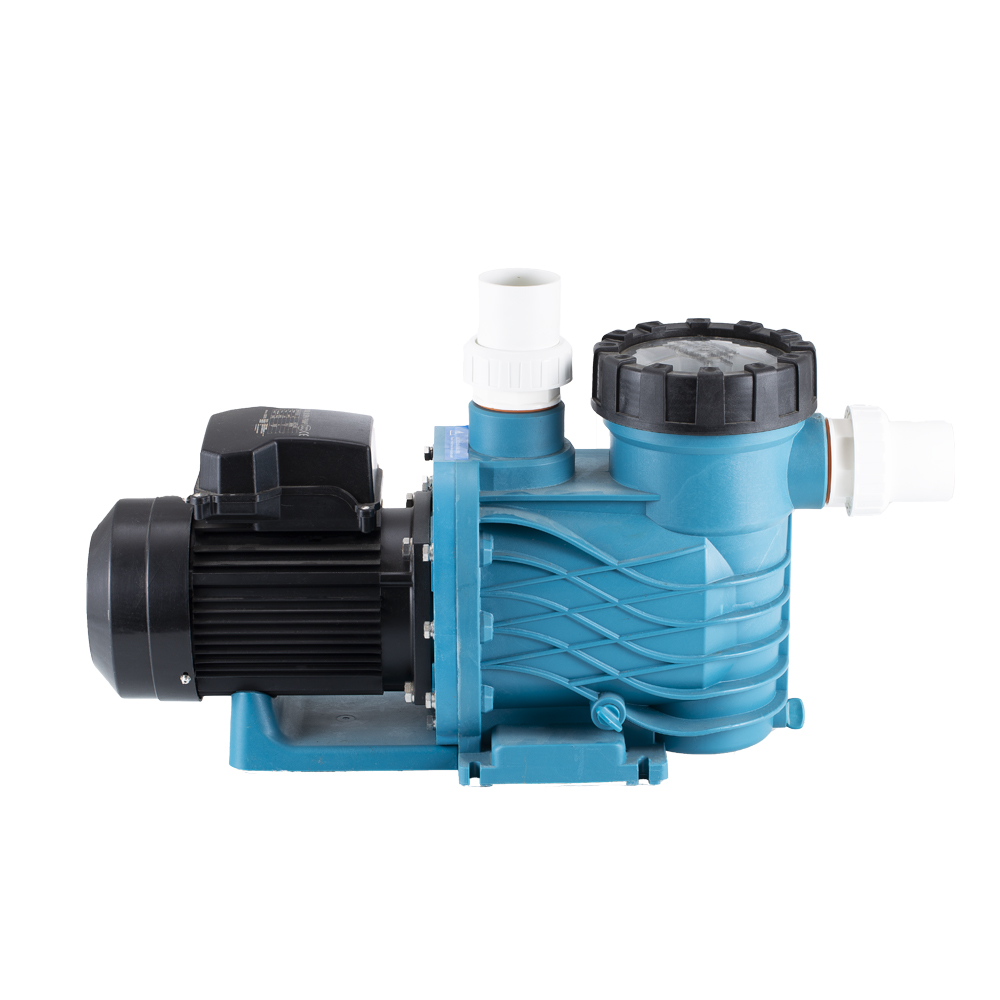

A standard single-speed pump runs at one fixed RPM. A variable speed pump uses a permanent magnet motor—similar to technology found in electric vehicles—that can operate across a range of speeds. Low speeds handle overnight circulation. Higher speeds kick in for heating, cleaning, or backwashing. The pump never uses more power than the task demands.
This efficiency gain is substantial. At half the speed, a pump uses roughly one-eighth of the energy compared to full-speed operation. Across a full pool season, that difference translates directly into lower monthly utility costs.
A pump circulates water. A filter cleans it. These two components depend on each other, and weak filtration media undermines even the most efficient pump.
The quality and grade of swimming pool filter sand plays a direct role in how well particles, debris, and contaminants are captured before water returns to the pool. Coarse or degraded sand allows fine particles to pass through, leading to cloudy water and increased chemical demand. High-quality silica sand, properly graded and regularly replaced (typically every 3–5 years), maintains optimal flow resistance and filtration efficiency throughout its lifespan.
When your pump runs at lower speeds—which variable speed units do for most of the day—the slower flow rate actually improves filtration. Water spends more time passing through the filter bed, giving the media more opportunity to trap fine particles. This is one of the less-discussed advantages of variable speed operation: better water quality, not just lower energy use.
Feature | Single-Speed Pump | Dual-Speed Pump | Variable Speed Pump |
Speed Settings | 1 | 2 | Multiple (programmable) |
Energy Efficiency | Low | Moderate | High |
Noise Level | Loud | Moderate | Quiet |
Motor Type | Induction | Induction | Permanent Magnet |
Upfront Cost | Low | Moderate | Higher |
Long-Term Savings | Minimal | Some | Significant |
Best For | Basic pools | Budget upgrades | Most pool types |
Filtration Quality | Standard | Better at low speed | Best at low speed |
The table above makes one thing clear: variable speed pumps cost more upfront but deliver advantages across every performance category that matters over time.
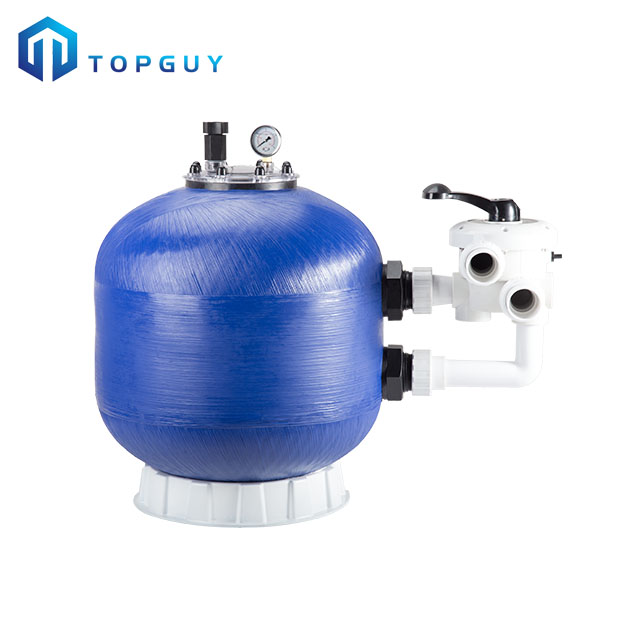

Choosing the pump and filter as a matched system—rather than two separate purchases—leads to better long-term results. A well-matched pool sand filter and pump combination ensures the flow rate of the pump doesn't exceed the design capacity of the filter tank, preventing channeling, bypassing, and reduced filtration performance.
Key factors to consider when pairing these components:
Flow rate compatibility: The pump's output (measured in gallons per minute or cubic meters per hour) should fall within the filter's rated range at all operating speeds.
Tank size and pool volume: A larger pool needs a larger filter tank. Under-sizing the filter forces more frequent backwashing and reduces clarity.
Valve type: Multiport valves on the filter tank offer settings for filtering, backwashing, rinsing, recirculating, and waste—important for regular maintenance.
Material durability: Fiberglass, gelcoat, and stainless steel filter tanks each offer different trade-offs between weight, corrosion resistance, and cost.
Regular maintenance protects your investment and keeps water safe for swimmers. Here is a general service schedule for variable speed pump and sand filter systems:
Weekly: Check pump basket and skim basket for debris. Monitor pressure gauge on filter.
Monthly: Test water chemistry and adjust as needed. Inspect pump seals and connections for leaks.
Annually: Inspect impeller, diffuser, and O-rings. Assess sand condition and backwash the filter thoroughly.
Every 3–5 years: Replace filter sand. Inspect pump motor bearings and housing.
Running a variable speed pump at lower speeds for longer daily periods means gentler wear on both the pump motor and the filter media, so equipment often lasts longer than it would under constant high-speed operation.
Not all variable speed pumps are compatible with all pool configurations. Before buying, confirm:
Voltage compatibility — Most residential variable speed pumps require 230V wiring.
Plumbing size — Pump inlet and outlet diameters must match existing pipe sizes.
Controller features — Better models include built-in timers, programmable schedules, and diagnostics.
Warranty coverage — Equipment-grade variable speed pumps typically carry warranties of 2–3 years on the motor.
Pool size also matters. A small above-ground pool of 10,000 liters requires a far lower flow rate than an inground pool of 50,000 liters. Oversizing the pump wastes energy; undersizing it means the water never fully turns over within the recommended 8-hour window.
Switching to a variable speed pump paired with quality filtration is one of the most effective upgrades a pool owner can make. Energy savings accumulate season after season. Water quality improves noticeably. Equipment noise drops. And with the right filter media and a properly matched system, maintenance becomes more routine and less reactive.
The upfront cost of premium equipment is real—but so is the return. For pool owners who run their systems 6 to 9 months a year, the payback period on a variable speed pump is typically 2 to 4 years, after which the savings are ongoing.
Variable speed pool pumps can reduce energy consumption by up to 80% compared to single-speed models, according to the U.S. Department of Energy. Actual savings depend on pool size, daily run time, and local electricity rates.
Swimming pool filter sand should typically be replaced every 3 to 5 years. Signs it needs replacing sooner include consistently cloudy water after backwashing, reduced filter pressure differential, or visible channeling in the sand bed.
Most variable speed pumps are compatible with standard sand filters, but flow rate and pipe diameter must match. Always check that the pump's output range falls within the filter manufacturer's specified operating limits before installation.
For pools under 15,000 liters, a dual-speed pump may offer a more cost-effective entry point. Variable speed pumps deliver their greatest value in medium to large inground pools where daily run times are longer and energy costs accumulate more significantly.
Most pools require 8 hours of daily circulation to turn over the full water volume at least once. Variable speed pumps can achieve this with longer low-speed cycles, which are quieter, gentler on equipment, and more energy-efficient than short high-speed bursts.
