 English

Views: 0 Author: Site Editor Publish Time: 2026-10-21 Origin: Site
Pool owners and facility managers rarely think about pump materials until something fails. A cracked plastic housing, a corroded impeller, or a motor that seizes up after two summers—these problems usually trace back to one decision made at purchase time: what the pump body is actually made of.
Material choice determines how long a pump lasts, how well it handles heat, and how much maintenance it demands over its lifetime. For pool systems that run for hours every day, often in hot climates or commercial settings, that choice matters more than most buyers realize. A copper water pump addresses many of the weaknesses found in plastic and standard iron models, offering stronger corrosion resistance and more consistent performance under continuous use.
This guide breaks down why copper has become a preferred material for pool pump bodies, how it compares to plastic and cast iron alternatives, and what factors should guide your next purchase decision—whether you're maintaining a backyard pool or managing equipment across a commercial facility.
Pool pumps operate in one of the harshest environments a mechanical component can face: constant water contact, chemical exposure from chlorine or salt systems, and in many regions, high ambient heat. Plastic pump housings are lightweight and inexpensive, but they're prone to cracking under thermal stress and can degrade faster when exposed to certain pool chemicals over time. Cast iron, while sturdy, is vulnerable to rust and scaling, which gradually reduces flow efficiency and can contaminate water with discoloration.
Copper doesn't share these weaknesses. It naturally resists corrosion, even in chlorinated or saltwater environments, and it conducts heat far more efficiently than plastic or iron. That heat conductivity matters because it allows the motor to dissipate warmth more effectively during long run cycles, reducing the risk of overheating during peak summer use. These properties are a large part of why copper has become a standard material choice for pumps that need to perform reliably year after year.
Not all copper pumps are made from pure copper. Most pool equipment manufacturers use copper alloys—blends of copper with other metals like zinc or tin—to balance durability, cost, and machinability. These copper alloy pumps retain copper's core advantages while gaining added strength from the alloying metals, making them more resistant to the mechanical wear that comes with constant operation.
In practice, this means fewer replacement parts, less downtime for repairs, and more consistent water flow over the equipment's service life. For facilities running multiple pools or hot tubs, where pump failure can mean closing a pool for days while parts are sourced, that reliability translates directly into lower operating costs.
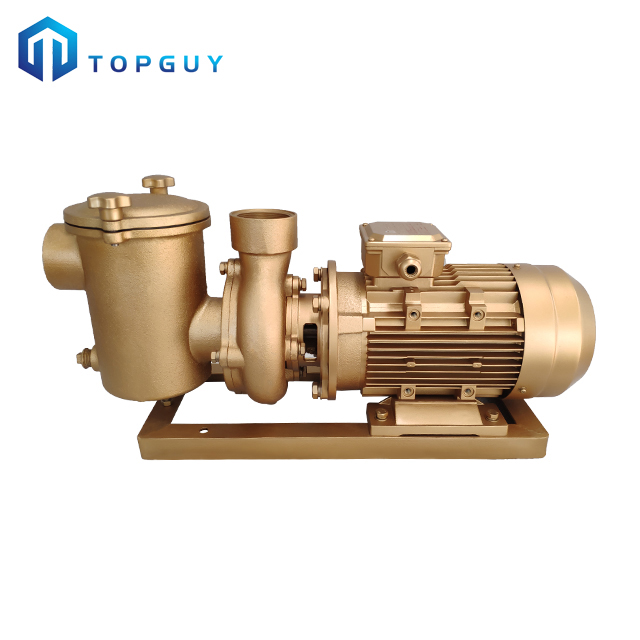

The right material depends on how a pool is used, the local climate, and the budget available for equipment. The table below outlines how the most common pump body materials stack up against each other.
Material | Corrosion Resistance | Heat Tolerance | Typical Lifespan | Best Suited For |
|---|---|---|---|---|
Plastic | Moderate | Low to Moderate | 3–5 years | Budget-conscious residential pools with light daily use |
Cast Iron | Low (prone to rust) | High | 4–6 years | Larger pools where upfront cost is a priority over longevity |
Copper/Brass Alloy | High | High | 8–12+ years | Residential pools, commercial facilities, and hot climates |
As the comparison shows, copper and brass alloys consistently outperform plastic and cast iron on the two factors that matter most over time: corrosion resistance and lifespan. While the upfront cost of a copper-bodied pump is typically higher, the extended service life and reduced maintenance frequently offset that difference within a few years of operation.
Residential pool owners running a standard filtration cycle a few hours a day can often get by with a mid-range plastic pump, particularly in milder climates where temperature swings are less extreme. But for anyone dealing with high chlorine or salt concentrations, frequent pump cycling, or hot weather that pushes equipment to its thermal limits, a copper-bodied unit is the more dependable choice.
Commercial facilities—hotels, spas, community pools—face an even stronger case for copper. These systems run longer hours, serve more swimmers, and face higher consequences when equipment fails unexpectedly. Choose a copper alloy model if minimizing downtime and extending replacement cycles matter more than the lower upfront cost of plastic or iron alternatives.
Jiangmen Topguy Electromechanical Equipment Co., Ltd. has manufactured swimming pool and spa equipment for over three decades, with its own production facility handling everything from mould design to final assembly. That manufacturing control allows for consistent quality across product lines, including its range of copper pumps built for both residential and commercial applications. Products are CCC certified in China, with several models also carrying CE certification for international markets.
A few practical factors can help narrow down the right model:
Horsepower rating: Match the pump's horsepower to your pool's volume and filtration needs. Oversized pumps waste energy; undersized ones struggle to maintain proper circulation.
Strainer basket capacity: A larger strainer basket means less frequent cleaning and better protection against debris reaching the impeller.
Warranty coverage: Longer warranty periods often reflect manufacturer confidence in build quality and material durability.
Energy efficiency: Look for motors designed to reduce electricity consumption during continuous operation, particularly important for commercial installations running pumps most of the day.
Sourcing from an established factory, rather than a reseller with limited technical support, also tends to simplify the process of finding compatible replacement parts down the line.
Pump failures rarely happen at a convenient time. Choosing a material built to withstand constant water exposure, chemical treatment, and heat—rather than one that simply meets the lowest upfront cost—pays off in fewer repairs and more consistent pool performance over the years ahead.
For pool owners and facility managers comparing options, copper pumps represent a middle ground between affordability and long-term reliability that plastic and iron alternatives struggle to match. Browsing a manufacturer's full lineup of copper pumps is a practical next step for anyone ready to upgrade their pool's filtration system with equipment designed for the long haul.
Is a copper pump worth the higher upfront cost?
For pools running long daily cycles or located in hot, humid climates, yes. The extended lifespan and reduced maintenance typically offset the higher initial price within a few years.
Can copper pumps be used with saltwater pool systems?
Copper alloy pumps generally handle saltwater environments well, thanks to their natural corrosion resistance, though it's worth checking manufacturer specifications for salt-specific compatibility.
How often does a copper pump need maintenance?
Routine maintenance—cleaning the strainer basket and checking seals—is still required, but the frequency of major repairs is typically lower than with plastic or cast iron equivalents.
Are copper pumps suitable for commercial pools?
Yes. Their durability under continuous operation makes them a strong fit for hotels, spas, and community pools that run equipment for extended hours daily.
